


How to save energy this winter with smart technology
Winter is the season when our homes work the hardest. Heating systems operate for longer hours, lights are switched on earlier in the day and energy-intensive appliances such as tumble dryers and space heaters are used more frequently. Add in the rising cost of energy, and winter quickly becomes the most expensive period of the year for many households. The challenge is balancing a warm home without overspending.
Let smart home technology assist you in maximizing energy efficiency while also keeping your comfort. By automating, optimizing and monitoring your home’s energy use, you can significantly cut waste and lower costs.
1. Heating smarter, not harder
Heating accounts for the majority of a household’s winter energy consumption, making it the most impactful area for savings. Modern smart heating systems can do far more than just follow a timer. Intelligent thermostats learn your daily habits and adapt to your lifestyle, ensuring heat is only provided when and where it’s needed.
For example, zoned heating allows you to maintain different temperatures in different rooms, keeping the living room warm during the evening while letting bedrooms stay cooler until bedtime. Presence detection takes this further by automatically lowering the temperature when a room is empty, then restoring it before you return.
When integrated into a wider smart home system, heating can also respond to outside conditions. Weather data, sunlight levels and indoor temperature readings can be combined to ensure the heating system works at peak efficiency, reducing excessive energy use.
2. Making the most of natural light and insulation
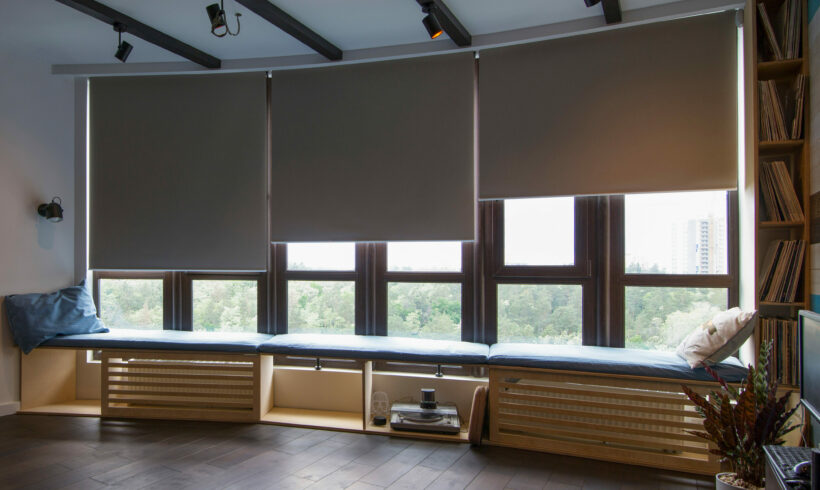
Windows can be one of the biggest sources of heat loss, but they can also be an asset when managed properly. During sunny winter days, allowing natural light to enter can passively warm your home, reducing the need for heating. At night, closing blinds or shutters adds an extra layer of insulation to keep the warmth inside.
Automated shading systems can handle this process for you, opening and closing at the optimal times based on light sensors or a programmed schedule. Even simple upgrades, like thermal curtains or insulated blinds, can make a noticeable difference in heat retention.
In a more advanced smart setup, shading can be integrated with heating control and weather forecasts (with the help of a smart weather station). If the system predicts a drop in temperature, it can preemptively close shutters before the cold sets in, preserving heat and improving overall energy efficiency.
3. Lighting your home for shorter days
With daylight hours at their shortest in winter, lighting becomes a bigger part of your energy bill. The simplest change you can make is replacing traditional bulbs with LEDs, which use far less electricity and last significantly longer.
Smart lighting systems take savings further by automatically adjusting brightness levels to suit the time of day and the available natural light. Motion sensors ensure that lights only turn on when someone enters a room and turn off when the space is empty.
In an integrated home system, lighting can be linked with presence detection, blinds and even heating. For example, lights in a living room could gradually dim as automated blinds open in the morning, or brighten slightly on overcast days to maintain a comfortable ambiance without wasting energy.

4. Managing energy-hungry appliances
Winter often brings increased use of appliances that are less relevant during summer but still consume large amounts of energy, such as tumble dryers and portable heaters. While these devices are convenient, they can also cause spikes in energy consumption and costs.
One way to manage this is through smart plugs, which allow you to monitor exactly how much energy each appliance uses. They also enable you to schedule heavy-use appliances for times when electricity rates are lower, if your provider offers time-of-use tarives.
More advanced systems can balance energy use across devices to prevent overloads and high-cost peaks. For instance, they might temporarily pause a tumble dryer when the oven is in use, then resume drying when the oven is off, ensuring smoother, more efficient consumption throughout the day. A key component in this setup is a smart meter, a nifty smart device that tracks your energy use on a daily use, allowing it to identify trends over time and anticipate on them. More on smart meters in the next paragraph.
5. Monitoring and adapting energy use
The key to long-term energy savings is knowing where your energy is going. Smart meters and home energy monitoring devices can provide detailed breakdowns of your consumption patterns, showing which rooms, systems or appliances are using the most energy.
This information allows you to make targeted adjustments, whether that means lowering the heating in an underused guest room, shortening lighting schedules or replacing an inefficient appliance. Over time, even small changes can add up to noticeable reductions in your energy bill.
In a fully connected home, all of this information can be viewed in a central dashboard. From there, you can make real-time adjustments or even let the system automatically optimize settings based on your preferences and energy-saving goals.
A smarter winter energy strategy
Saving energy during the colder months is about more than just lowering the thermostat. It’s about creating a home that automatically works to maintain comfort while minimizing waste. Whether you start with a few off-the-shelf devices or invest in a fully integrated smart home system, the goal is the same: to use energy more intelligently.
By combining smart heating, automated shading, efficient lighting, controlled appliance use and real-time energy monitoring, you can significantly reduce your winter energy bills without sacrificing convenience. And as these technologies continue to evolve, the potential for long-term savings will only grow.


