


Building a smart home with Amazon: A short-term gain or long-term investment?
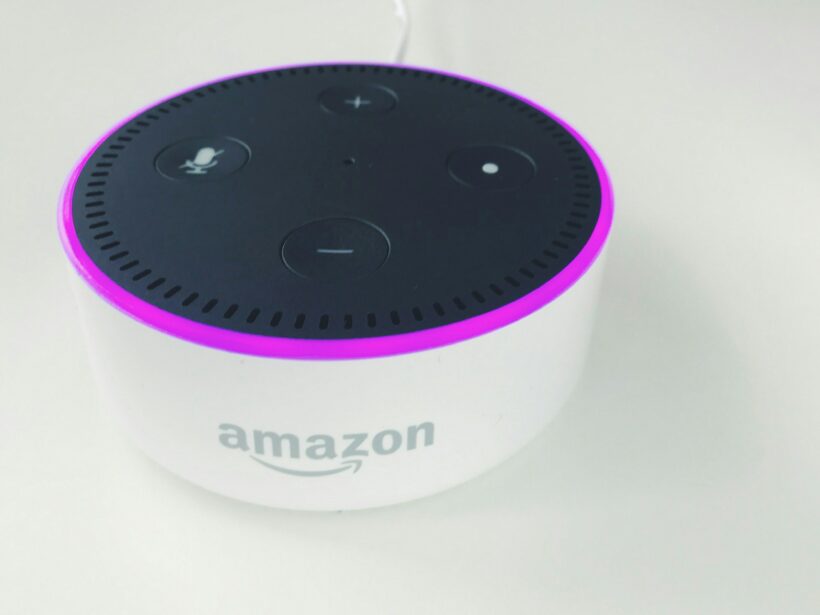
Amazon is known for selling everything from clothing and furniture to labubus and kitchen robots. Until only a few years ago, smart devices were still missing from the product offer of the online webshop, but they definitely made up for it by now. Alexa and the Amazon Echo, for instance, are staples in the broad range of entry-level smart devices.
The affordability and user-friendly nature of Amazon smart devices make them an attractive option, especially for beginners who are eager to transform their living spaces into smart homes without breaking the bank. But are these devices more of a short-term gain, or do they hold the potential for a long-term investment? Let's explore.
The benefits of Amazon smart devices
Undeniable user-friendliness and accessibility
One of the primary attractions of Amazon smart devices is their convenience and user-friendliness. These gadgets are designed to integrate seamlessly with Alexa, Amazon's voice assistant, allowing for effortless voice control of your home. Imagine walking into a dimly lit room and simply asking Alexa to turn on the lights or play your favorite tunes. It's that easy.
For those new to the smart home scene, Amazon devices offer a cost-effective entry point. They're perfect for entry-level smart home enthusiasts who are just beginning to explore the world of automation. The ability to start small and gradually expand your smart home setup is a significant benefit, making Amazon devices a practical choice for many.
Aesthetically-pleasing product lines
It's no secret Amazon knows how to sell a product. Their smart devices are designed to match the interior of a broad audience, and the names of their product lines are catchy making them easy to remember and top of mind. How many product names ring a bell in this list?
- Echo and Alexa smart speakers (Dot, Pop, Studio)
- Echo Show smart displays (with screens for video calls/content)
- Fire TV streaming devices
- Ring security (doorbells/cameras)
- Blink cameras
- Other gadgets like the Astro robot, Smart Plugs and Fire Tablets
Locked out of an Amazon smart home?
In 2023, a man was locked out of his entire smart home system for a week after a delivery driver working for Amazon mistakenly accused him of being racist. As a result, Amazon disabled his account and he lost access to all of his smart-home devices, including his voice assistant.
After submitting video footage of the interaction, Amazon reinstated his access — but the ordeal left him questioning his use of Amazon-connected devices and warning others about risks of dependence on a single company to control smart home access.
Does Amazon take device compatibility and privacy into account?
Even though Amazon smart devices come with many interesting benefits , it's essential to consider some limitations and challenges that come with them. One of the primary concerns is compatibility. While Amazon products work well within their ecosystem, they might not play as nicely with non-Amazon devices. For instance, popular brands like Google Nest or Philips Hue may require additional steps or hubs for integration, leading to potential frustration.
Another critical consideration is privacy. As cloud-connected devices, Amazon's smart gadgets raise questions about data security and privacy. Users need to be mindful of the data they share and ensure their network is secure to protect personal information.
Moreover, Amazon's ecosystem can be somewhat limited in terms of expandability and customization compared to other platforms. For those looking for a more tailored and complex smart home setup, other ecosystems might offer more flexibility.

Thinking long-term: Beyond initial costs
When considering a smart home setup, it's crucial to think beyond the initial costs. While Amazon devices might offer immediate savings, investing in a more open and flexible smart home system can provide long-term benefits. Durability and integration are key factors to consider, as they can significantly impact the overall experience and satisfaction with your smart home.
Consider therefore other brands, like KNX. KNX offers a future-proof solution with wide compatibility across various brands and devices. By choosing a system that prioritizes integration and flexibility, you can ensure that your smart home continues to evolve with your needs.
Did you already invest in Amazon products, but are you considering opting in for a KNX system? No worries, you're Amazon devices will still work perfectly in a KNX ecosystem. After integrating KNX into you're home, you won't be restricted to Amazon anymore. Feel free to branch out to other brands to find devices that match your lifestyle and habits best!
Making the right choice for your home
Choosing the right smart home setup for your home involves assessing your needs and budget. It's important to balance short-term savings with long-term benefits. Consider what aspects of a smart home are most important to you — whether it's energy efficiency, convenience, or security — and plan accordingly.
When you weigh the options, think about how the devices will fit into your daily life and whether they offer the adaptability you need for future growth. This strategic approach will help you make informed decisions that align with your goals.
The smartest choice for a your home depends on your personal investment
In conclusion, Amazon smart devices offer undeniable convenience and cost-effectiveness for those new to smart home technology. However, it's vital to consider the potential limitations and long-term implications of investing in a closed ecosystem. By thinking beyond the initial price and focusing on the overall smart home experience, you can make a choice that will serve you well into the future.


