

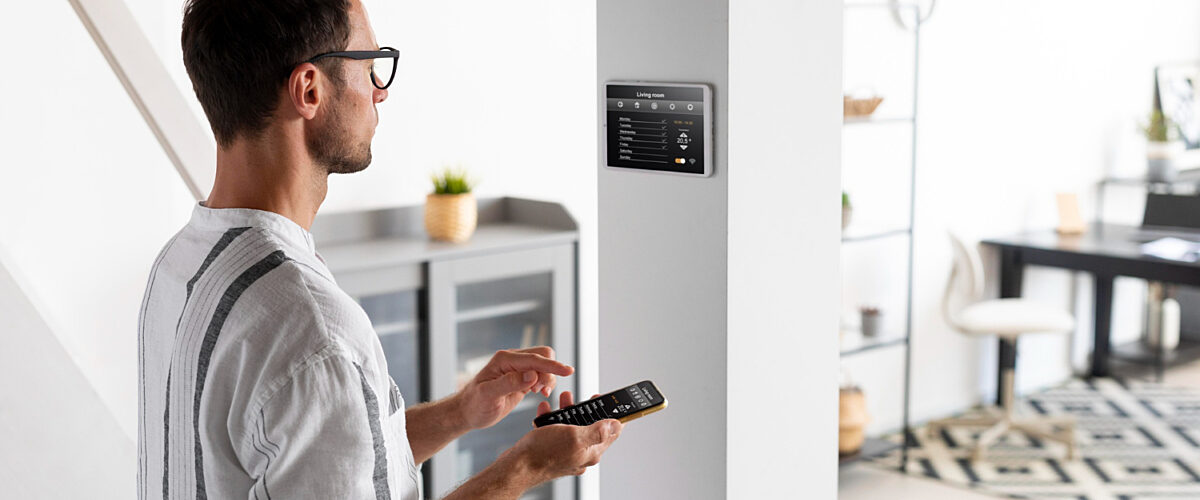
Matter: the bridge to a smarter home?
For years, the smart home industry felt like a digital Tower of Babel. Every brand spoke its own language, leaving homeowners frustrated with a clutter of hubs and incompatible apps. Then came Matter. Promising universal compatibility and "plug-and-play" simplicity, it was hailed as the final solution. But as the dust settles, a critical question remains: is Matter enough to run a professional smart home, or is it just the entry ticket?
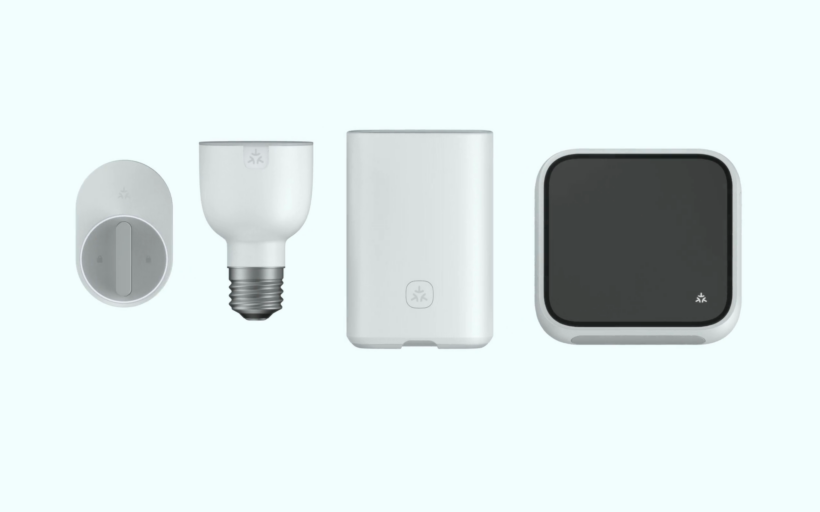
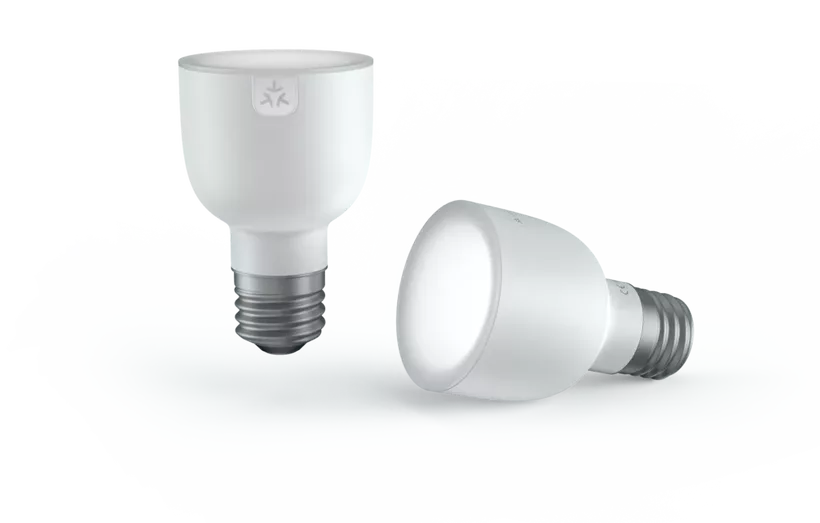
If you have been following the latest smart home trends, you have undoubtedly heard of Matter. Developed by industry giants like Apple, Google, and Amazon, this new protocol aims to make smart devices work together seamlessly. No more checking the box for "Works with HomeKit" or "Works with Alexa"—if it has the Matter logo, it should just work.
The promise: Simplicity above all
The advantages of Matter are clear, especially for those just starting their journey. As we explored in our guide to the 3 stages of home automation, most people begin with simple gadgets. Matter excels here by offering:
Interoperability: Mix and match different brands (IKEA, Philips, Eve) within one ecosystem.
Local control: Unlike many older cloud-based gadgets, Matter commands happen within your home network, making it faster and more private.
One app to rule them all: You can choose your favorite interface, whether it’s Apple Home or Google Home, to control everything.
The reality check: Where Matter falls short
However, beneath the surface of this convenience lie limitations that professional installers and serious homeowners should consider.
1. The centralization trap
Matter-based systems are inherently centralized. They rely on a "Matter Controller" (like a HomePod or a Nest Hub) to function. As we analyzed in our deep dive into centralized vs. decentralized smart home systems, this creates a "single point of failure." If your hub crashes or the battery dies, your entire home automation often goes dark.
2. Limited device depth
While Matter is great for "simple" actions like dimming a light or checking a motion sensor, it currently struggles with more complex professional requirements. Detailed energy monitoring, advanced HVAC (heating, ventilation, and air conditioning) coordination, and specialized sensors often still require the manufacturer’s original app to access all features.
3. The wireless burden
Matter primarily relies on Wi-Fi and Thread. While Thread is a robust mesh network, it remains wireless. In larger homes with thick walls or technical rooms, wireless signals can still face interference—a risk you don't want to take with your security or heating systems.
The professional alternative: Why KNX completes the puzzle
This is where the distinction between a "smart house" and a "professional smart home" becomes apparent. In our previous comparison of KNX vs. Matter, we highlighted that Matter is a fantastic extension, but KNX is a foundation.
- Decentralization is key: Unlike Matter, KNX is a decentralized system. Each device (the "green cable" connection) has its own intelligence. If one sensor fails, the rest of the house continues to function perfectly. There is no central hub that can bring the system down.
Read more about centralized vs decentralized systems >
- Wired reliability for core functions: For critical systems like shading, climate control, and lighting, the wired reliability of KNX remains unmatched. It doesn’t suffer from "signal drops" or network congestion.
- Bridging the best of both worlds: The good news? It doesn’t have to be an "either-or" choice. Modern homeowners are increasingly opting for a hybrid approach. They use KNX as the robust, future-proof backbone for their home's infrastructure and integrate Matter to add flexible, fun gadgets or voice assistants on top.
Conclusion: Future-proofing your investment
Matter is a massive step forward for consumer electronics, making it easier than ever to add "smartness" to a room. But for those building or renovating a home with a 20- to 30-year perspective, relying solely on a wireless, hub-based protocol is a gamble.
By choosing a professional standard like KNX for your core systems, you ensure that your home remains functional, scalable, and—most importantly—truly decentralized. Matter might be the bridge that connects your devices, but KNX remains the solid ground they stand on.


