


Why every homeowner needs to understand the Internet of Things
For years, the Internet of Things was a futuristic buzzword. Today, it is the silent engine behind our most modern living spaces. But for the homeowner of 2026, understanding IoT is no longer optional; it is the key to ensuring your property remains an asset rather than a collection of outdated gadgets.
While many people use the terms interchangeably, there is a fundamental difference between a few connected devices and a true IoT smart home. As we previously discussed in our breakdown of Internet of Things vs. Home Automation, home automation is about control, while IoT is about connectivity and data exchange.
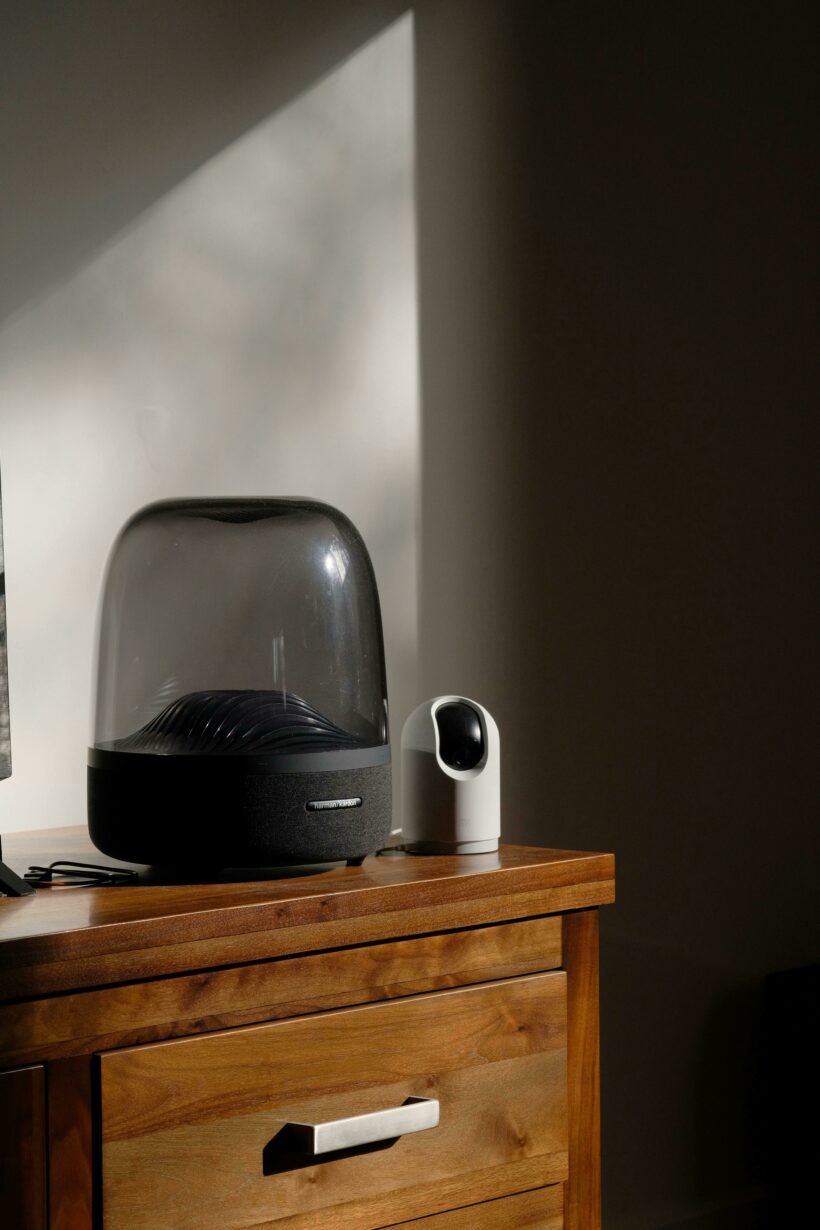
The real-world impact: how IoT changes your daily life
The true impact of Internet of Things technology on our daily lives isn't found in novelty gadgets. It's found in the way our homes have transitioned from passive shelters into active partners in our well-being.
Predictive maintenance: the proactive shield
Traditional automation is reactive: the basement floods, a sensor detects water, and the valve closes. IoT-driven predictive maintenance changes the timeline. By analyzing flow patterns and micro-vibrations, the system identifies the fingerprint of a failing joint or a hairline fracture weeks before a burst occurs. This level of foresight is a key part of the home automation ideas we expect to dominate in 2026, moving homeowners from damage control to total prevention.
Energy orchestration: your home as a micro-grid
In the era of volatile energy prices, IoT allows your home to act as its own energy broker. Instead of simple timers, your house uses energy orchestration. It communicates with weather forecasts and real-time energy markets to decide exactly when to charge your EV or run the heat pump. This is the logic behind how smart heat pumps turn data into comfort, ensuring you use solar power when it’s abundant and avoid the grid when it’s most expensive.
Health and longevity: Ambient Assisted Living (AAL)
The most profound impact of the Internet of Things is its ability to support human life invisibly. We are seeing a major shift toward ambient assisted living, where sensors don't just watch for accidents, but monitor the velocity of a routine. If the system notices a resident is moving less or that their sleep patterns have shifted, it can flag these as early indicators of health issues. This is where presence sensors make the difference, providing a safety net that preserves both independence and dignity without the need for intrusive cameras.
The homeowner’s dilemma: connectivity vs. reliability
Why should you, as a homeowner, stay informed? Because an IoT-heavy home often relies on external servers (the cloud). If the internet goes down, a poorly designed system might leave you without lights or heating.
This is why the choice of infrastructure is vital. While IoT devices provide incredible external data and features, they should always be seen as an "experience layer" on top of a stable, local system.

The hybrid future: IoT on a KNX backbone
The most successful smart homes in 2026 use a hybrid approach. They use a professional, wired backbone like KNX for the mission-critical tasks, lighting, climate, and security, while using the Internet of Things for the experience layer.
By keeping the core functions of your home decentralized and local, you ensure that your house remains functional regardless of your internet connection. You then use IoT to layer on the magic: syncing your home’s energy consumption with a solar-share community or checking your doorbell from the other side of the world.
As we noted in our comparison of centralized and decentralized smart home systems, the way your devices communicate determines the lifespan of your home's intelligence.
Future-proofing your investment
Homeowners must be aware of the Internet of Things because it directly influences the resale value and longevity of their property. A house filled with proprietary, cloud-only gadgets that may be obsolete in three years is a liability. A house with a standardized KNX backbone that interfaces with the IoT world is a timeless investment.
By understanding the IoT ecosystem, you can ensure that the technology serves you, rather than you serving the technology.


