

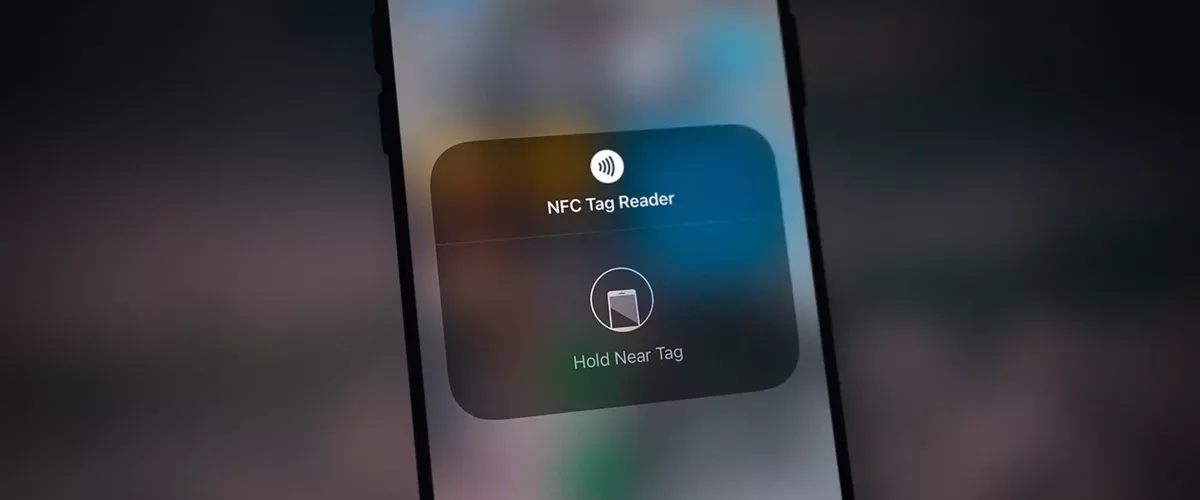
NFC Tags: A clever shortcut or a smart home limitation?
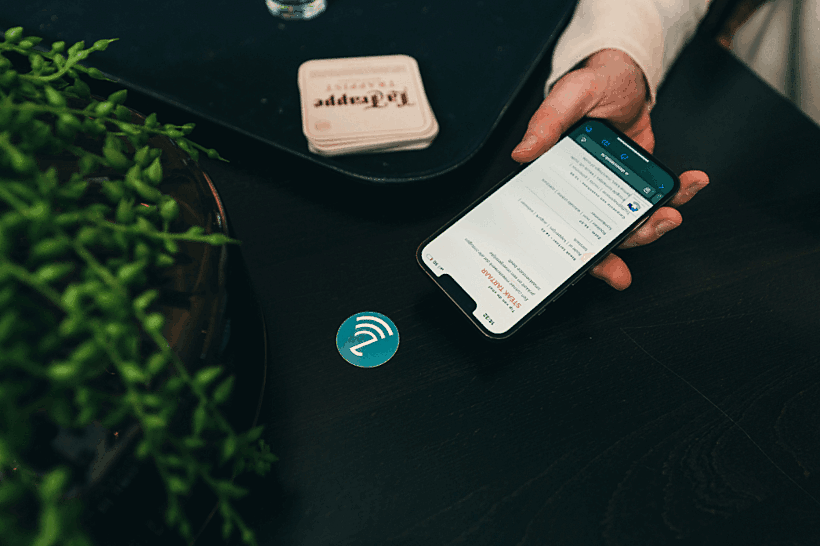
A simple tap of a smartphone against a small sticker on a nightstand, and suddenly the lights dim, the blinds close, and an alarm is set. NFC (Near Field Communication) tags feel like magic. A sneaky piece of technology that turns your phone into a universal remote. But as we look past the initial novelty, a question arises: are NFC tags a cornerstone of home automation, or merely a temporary fix for a lack of true intelligence?
As we previously explored in our look at NFC as the sneaky smart technology in your phone, these tiny, battery-free chips are incredibly accessible. They are cheap, easy to program, and offer a tactile way to trigger digital actions. However, for the serious homeowner, the difference between a "tap-to-trigger" home and a truly intelligent home is vast.
The entry-level appeal: why we use them
For those just entering the first stages of home automation, NFC tags offer a low-cost entry point. They are perfect for highly specific, manual tasks where a voice command might feel awkward or an app too slow:
The guest Wi-Fi: A tag that visitors can tap to instantly connect to your network.
The coffee station: A tag on the espresso machine that starts a specific timer.
Bedside shortcuts: Setting a sleep focus mode on your phone while simultaneously turning off a smart bulb.
The limitations: Why NFC isn’t "smart" enough
While NFC tags are great shortcuts, they struggle to scale within a professional smart home environment for several key reasons:
The "manual" burden: The core philosophy of a smart home is that it should work for you, without your intervention. NFC requires you to physically get up, find the tag, and tap it with a device. This is manual automation, a contradiction in terms for those seeking a truly invisible smart home experience.
Device dependency: An NFC tag does nothing on its own. It requires a smartphone to act as the brain. If your phone is in another room, or if a guest wants to dim the lights, the tag is useless.
The maintenance trap: Stickers peel off, their locations are forgotten, and the "programming" is often stored locally on one person's phone. In a professional setup like KNX, the logic lives in the walls, not in an individual's pocket.

The professional alternative: presence over taps
When we compare NFC tags to a decentralized system like KNX, the gap in lifestyle quality becomes clear. Why tap a sticker to start a cinema scene when your home can detect your presence, notice the time of day, and realize you’ve turned on the projector?
True intelligence relies on sensors, not stickers. As we analyzed in our comparison of centralized and decentralized systems, a professional backbone ensures that your home responds to your life automatically. While an NFC tag is a clever shortcut for a beginner, it cannot replace the reliability and set-and-forget nature of a wired infrastructure.
A tool for the gaps
NFC tags aren't bad technology; they are simply niche. They are excellent for the handover moments between your digital life (your phone) and your physical space. But for the core functions of a home, lighting, climate, and security, relying on a sticker is a compromise.
In a high-end smart home, the best interface is the one you don't have to touch. NFC might be a fun way to start your journey, but for those who value true comfort and long-term stability, the green cable of KNX remains the only logical foundation.


