

Start building your sustainable home with KNX
Creating a sustainable home isn't just about solar panels or better insulation anymore. Today's smart home technology offers powerful ways to reduce your environmental impact while enhancing your living comfort. As energy costs keeps rising and climate concerns growing, homeowners are discovering that intelligent home automation is key to achieving their sustainability goals.
Understanding home sustainability
The building blocks of a green home
A truly sustainable home combines three essential elements:
- Energy-efficient infrastructure: The foundation of any sustainable home starts with proper insulation, energy-efficient windows, and modern HVAC systems. When combined with smart technology, these elements work together to maximize efficiency and minimize waste.
- Smart resource management: Modern homes consume significant resources beyond just electricity. Water usage, heating, and cooling all contribute to your home's environmental impact. Smart systems help monitor and optimize these resources in real-time, preventing waste and reducing costs.
- Automated control systems: The power of automation lies in its ability to optimize your home's performance without constant manual intervention. From adjusting temperature based on occupancy to managing lighting based on natural daylight, these systems ensure efficient resource use around the clock.
Current Challenges in Home Sustainability
With EU households averaging 7.2 tons of CO₂ emissions annually, the need for improvement is clear:
• Inefficient heating and cooling systems account for 64.4% of home energy consumption, often running when not needed or at suboptimal levels.
• Lighting and electrical appliances contribute 13.6% to energy usage, with significant waste from forgotten lights and standby power consumption.
• Water heating systems (14.5% of energy use) frequently operate without consideration for actual usage patterns or peak demand periods.
Smart Solutions for Sustainable Living
A smart home system serves as the brain of your sustainable home, connecting and controlling various devices to optimize energy usage and comfort. Here's an example of how different components work together:
Smart meters and monitoring
Smart meters keep track of your energy consumption in real-time through detailed monitoring systems. These devices provide insights into usage patterns, helping you identify high-consumption areas and make informed decisions about energy use.
Want to learn more about energy monitoring? Take a look at KNX's article about KNX Energy Management.
Automated climate control and lighting
Smart thermostats and lighting controls adapt to your lifestyle while maintaining optimal comfort levels. The system learns from your preferences and automatically adjusts based on factors like occupancy, time of day, and external conditions, ensuring energy is only used when needed.
Discover more on smart home technology and its impact on your home's energy efficiency.
Renewable energy integration
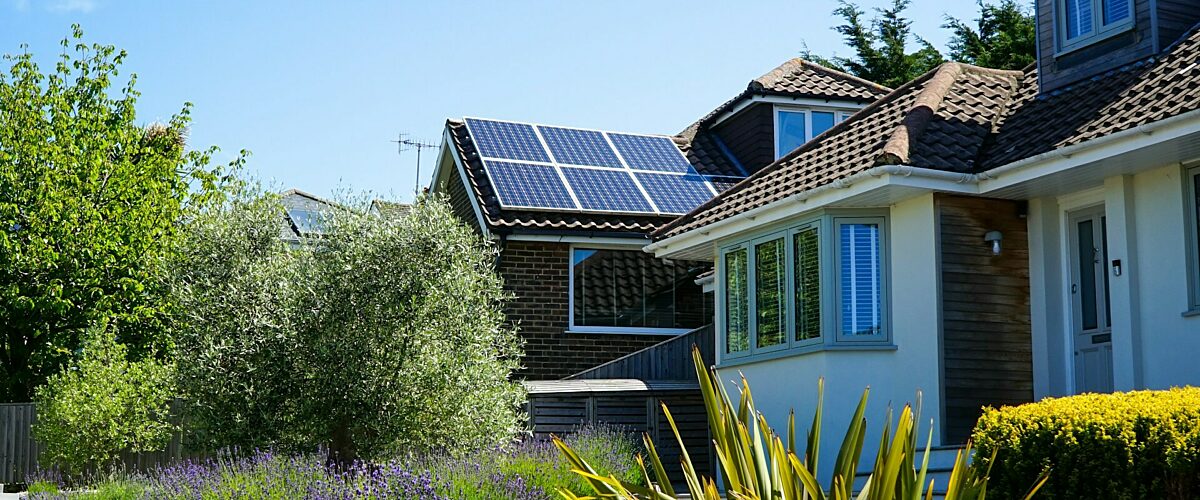
Some smart home systems, like KNX, enable you to connect your solar panels and battery storage systems directly to your smart home network for optimal energy utilization. Your smart home will than determine the best times to store or use solar energy based on your consumption patterns and energy prices.

Considering KNX for a sustainable smart home
KNX stands out as the global standard for smart home and building control, offering a reliable foundation for your sustainable home journey. Here's why KNX is the ideal choice:
With over 30 years of proven reliability and continuous development, KNX ensures your investment remains valuable for decades. The system is backward compatible and regularly updated, protecting your investment as technology evolves.
Unlike proprietary systems, KNX allows you to choose from over 500 manufacturers and 8,000 certified products. This flexibility means you can select the best devices for your specific needs without being locked into a single brand or ecosystem.
Lastly, KNX devices speak the same language, ensuring perfect communication between all components of your smart home. From lighting and heating to renewable energy systems, everything works together harmoniously.
Deep dive into how KNX is leading the way in sustainable smart living here.
Let's conclude
Creating a sustainable home is no longer just an environmental choice: it's a smart investment in your future. By integrating KNX smart home technology, you can significantly reduce your carbon footprint while enjoying enhanced comfort and lower energy bills. Learn how to reduce your carbon footprint with smart home sustainability solutions in KNX's article.
Ready to take the first step towards a smarter, more sustainable home? So are we!


