

Designing for every stage of life: how smart homes support aging at home
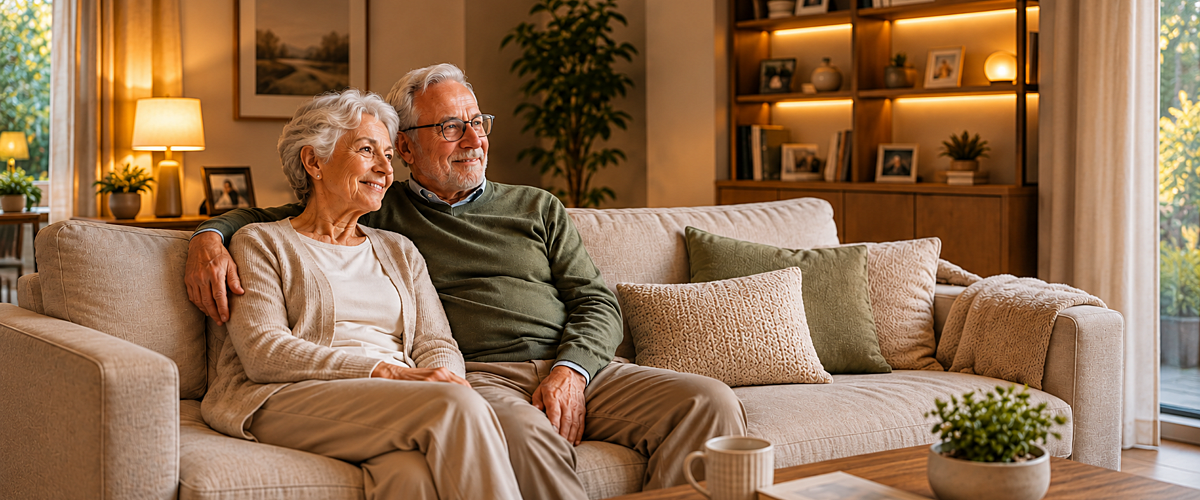
Picture a parent living alone in the house you grew up in. She's independent, sharp, and has no intention of moving. But you worry, quietly, about the dark hallway at 2am, the stove she sometimes forgets, the days you don't hear from her and don't know if that's normal or not. Smart home technology can't replace being there. But used well, it can close exactly that gap, without turning her home into something that feels clinical.
What actually helps, versus what's just a gadget
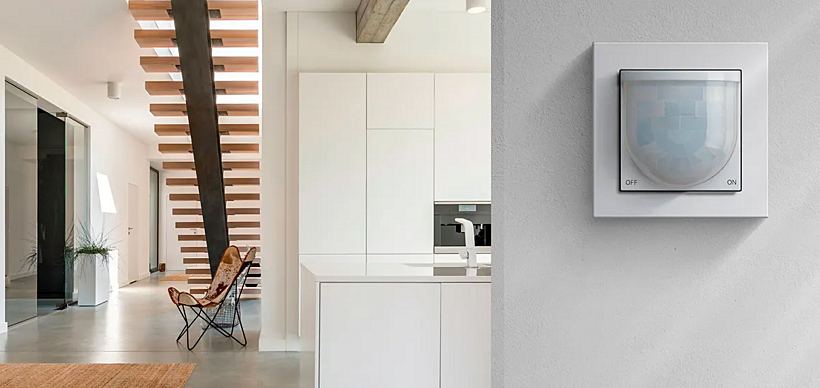
The aging-in-place market is full of products built around a single idea: a pendant to press in an emergency. Useful, but limited, since it only works if someone is conscious, mobile, and remembers to wear it. The more useful shift in 2026 is toward ambient, passive support: technology that quietly adapts the home itself, rather than asking an older adult to operate anything new.
Concrete example: a night in her house
At 11pm, the house settles into its night mode automatically. If she gets up to use the bathroom, motion sensors trigger a soft, low-brightness path light from the bedroom to the hallway, just enough to see by, without a jarring overhead light or the risk of fumbling for a switch in the dark. This single detail matters more than it sounds: unlit nighttime trips to the bathroom are one of the most common circumstances for a fall in older adults.
Concrete example: a quiet daily check-in
Her kitchen usually sees activity by 9am most mornings. If a presence sensor registers no movement there by, say, 11am (an unusual gap for her specific routine), a simple notification goes to your phone: “no activity in the kitchen today.” Not a health record, not a camera feed, just a nudge that something might be worth a phone call. She doesn't have to remember to check in with anyone. The house does it for her, in the background.
Concrete example: fewer things to operate, not more
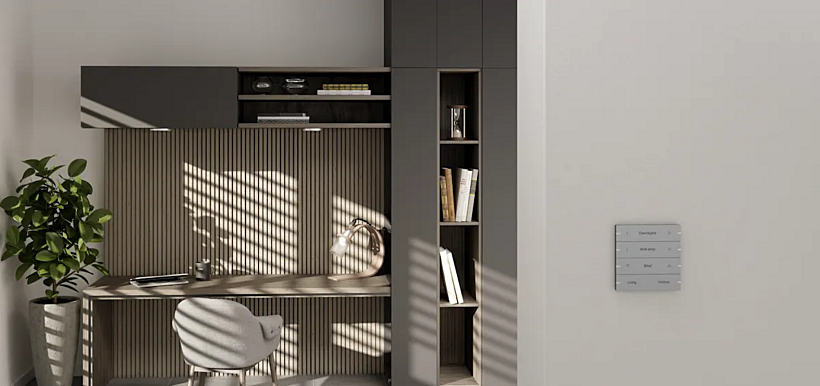
Rather than an app with a dozen buttons, a single wall-mounted “goodnight” scene lowers the blinds, dims the lights, and confirms the door is locked, all with one press and no smartphone required. For someone with reduced dexterity or vision, this is the difference between a smart home that actually gets used and one that gets ignored because it's more effortful than the light switch it replaced.

Concrete example: comfort without having to ask for it
Older adults regulate body temperature less efficiently, but many won't proactively adjust a thermostat throughout the day. Zone-based heating that keeps her usual rooms at a steady, comfortable temperature does that work for her automatically and quietly, without her ever needing to notice it's happening.
What to actually do now
- Start with one room, not the whole house. A retrofitted hallway and bathroom path light, plus one presence sensor in the most-used room, delivers most of the safety benefit for a fraction of the cost and disruption of a full system.
- Have the conversation before you install anything. Path lighting and a quiet daily check-in are usually welcomed as thoughtful, not intrusive. Cameras in living spaces often are not. Respect what she's actually comfortable with. It's still her home.
- Ask an installer about battery or wireless sensors first. These can go in without rewiring a room, which matters if you're not ready for (or she doesn't want) a full renovation.
- Agree with family in advance on what “unusual” means. A single missed morning shouldn't trigger a panic; a genuine pattern change should. Set the threshold together before the first alert ever goes out, to avoid both alert fatigue and false reassurance.
Why this fits naturally into a broader system
The value here comes from lighting, presence, and climate quietly coordinating with each other, not from any single clever gadget. That's the same reason a professionally integrated system like KNX suits this use case particularly well: one room's presence sensor can inform another room's lighting, and the whole setup can expand gradually. You might add a hallway this year and a bathroom next year, without starting over each time.
Conclusion
Supporting a parent's independence isn't about surveillance. It's about a house that quietly pays a little more attention so you don't have to worry constantly, and she doesn't have to feel watched at all.